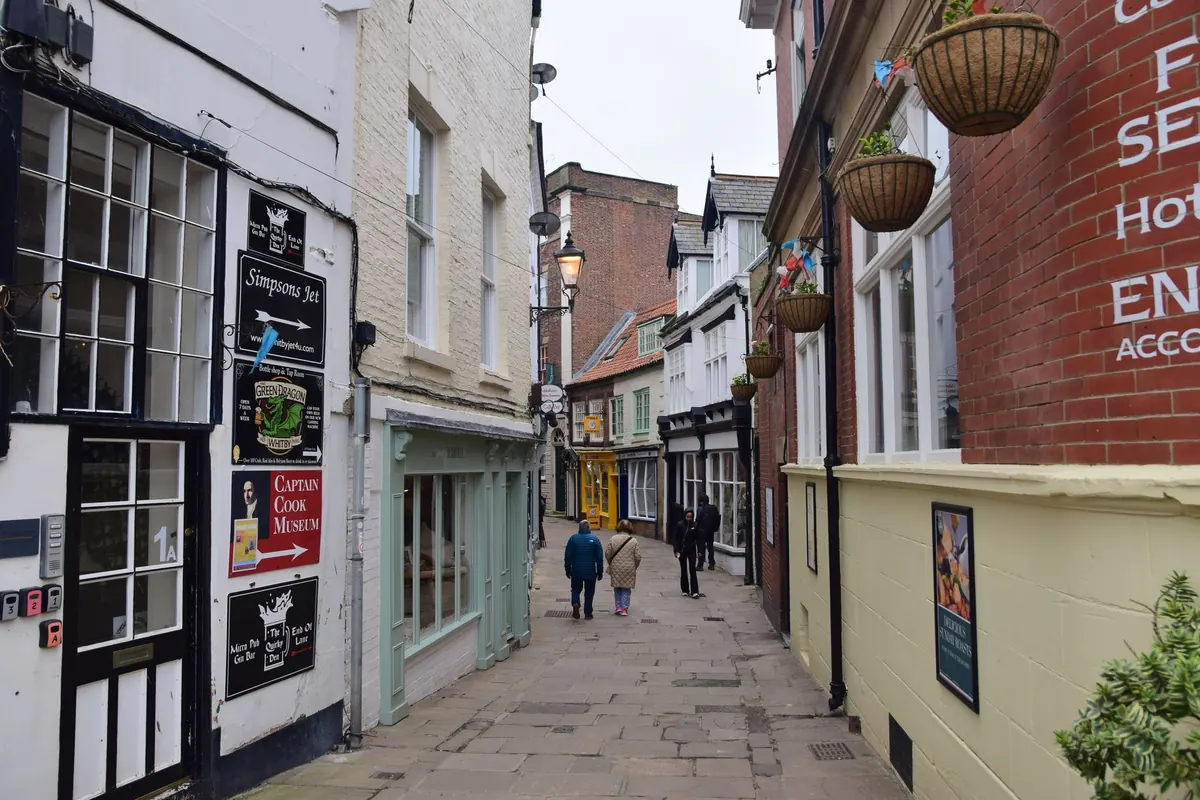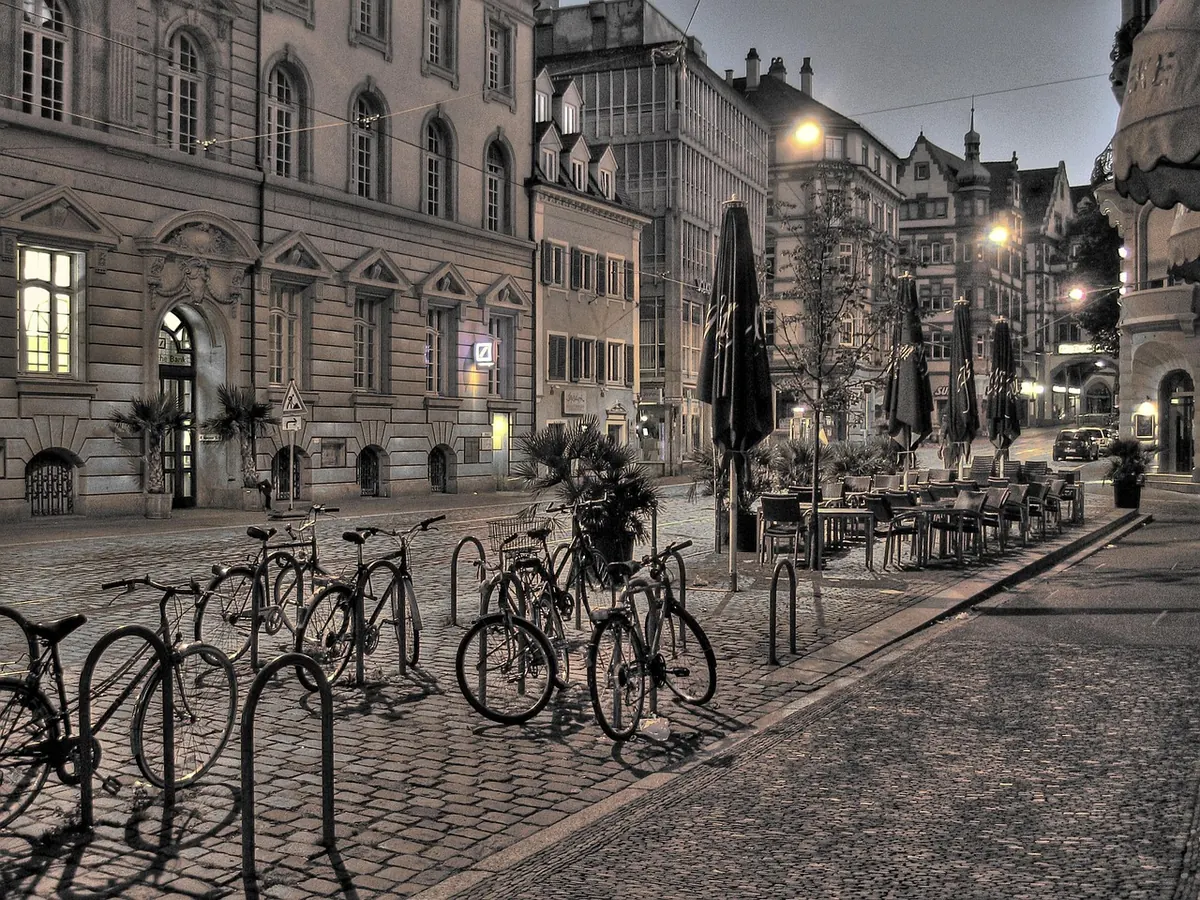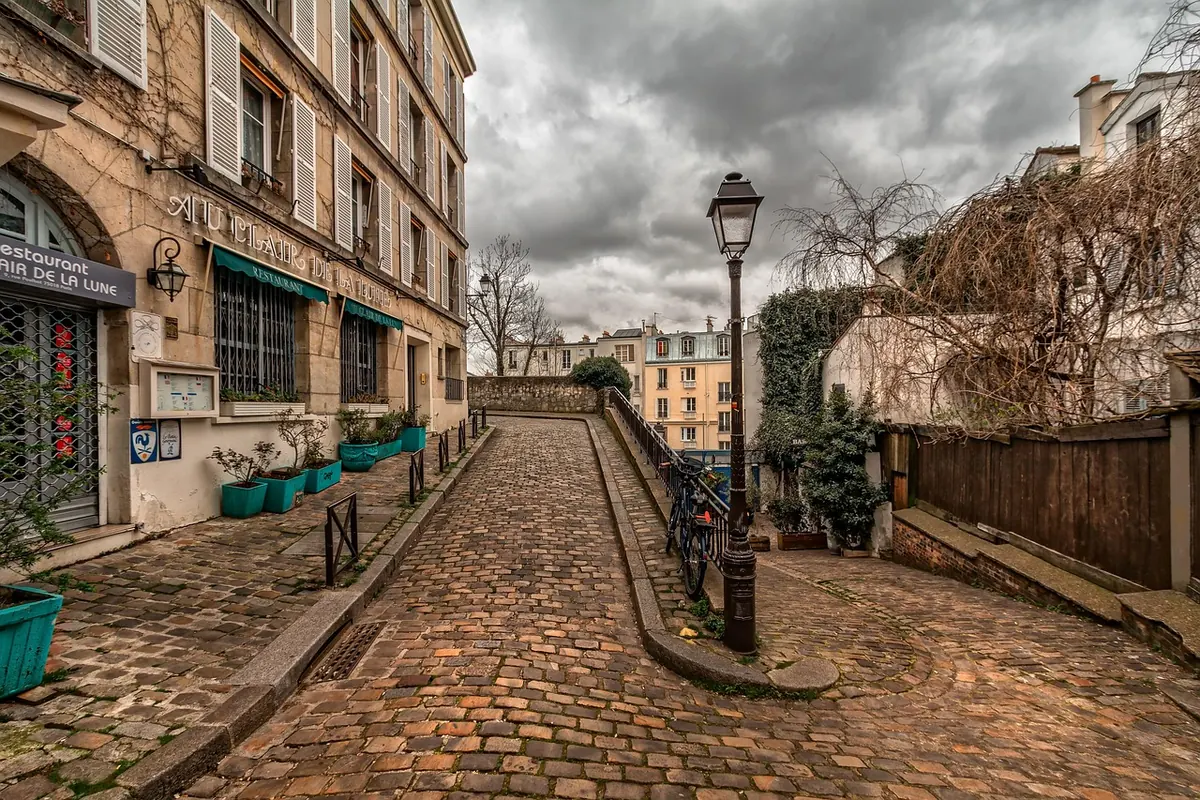
A cobbled street that has survived a century of cartwheels, delivery vans and winter grit deserves better than a hurried tidy-up. Yet restoration so often goes wrong in small, avoidable ways: a bag of cement here, a borrowed pressure washer there. The damage rarely shows immediately. It turns up two winters later as rocking setts, chipped arrises and puddles that were never there before.
Most of these problems are well known to conservation officers and experienced paviers, which means they are also easy to plan around. Here are the mistakes that crop up again and again on old cobbled streets, and what to do instead.
Using Hard Cement Mortar on Soft, Moving Stone
The instinct to make everything solid is understandable, but it is the wrong instinct here. Traditional cobbled streets were generally laid on a flexible bed and pointed with a weak lime mortar that could give slightly under traffic and let moisture escape. Cement-rich pointing does the opposite. It sets hard, grips the stone edges and refuses to move, so the movement goes into the setts instead. Edges spall, faces crack, and water trapped behind the pointing finds its way into the bedding.
Lime mortar is sacrificial by design. It fails first, in small ways, and can be raked out and replaced without touching the stone. If you are unsure what was used originally, take advice — a conservation officer or a specialist contractor can usually identify it by eye and by how it behaves under a chisel. Match the colour and texture too. Bright grey pointing across a street of honey-coloured sandstone looks wrong from fifty metres away.
Reaching for the Pressure Washer First
A high-pressure jet is the single quickest way to undo good work. It strips the weathered surface that gives old stone its colour, rounds off sharp edges, blasts out jointing, and drives water deep into the bedding layer where it will sit and freeze. Lichen and moss, which many people want gone, are part of what makes an old street look old — remove them only where the surface is genuinely slippery.
For most cleaning, a garden hose, a soft bristled brush and plenty of patience will do more good than any machine. Work with the fall of the street, rinse thoroughly, and never point a jet straight down a joint. If the surface is stained with oil or grease, use a poultice designed for stone rather than scrubbing it further in.
Mixing Stone That Never Belonged Together
Old streets are rarely uniform. Many were laid with whatever the nearest quarry, railway siding or demolished building could supply, so a single stretch can hold two or three different stones, each with its own colour, grain and wear. Arriving with a pallet of identical new setts and laying them in a neat grid erases that history and usually looks worse, not better.
Where you must introduce new stone, aim for a close match in size, colour and surface texture, and place it where it is least conspicuous — against kerbs, around gullies, in the shaded stretches. Sort salvaged setts into rough groups by size and wear before you start, and keep the most worn ones for the visible centre of the street. Uniformity is not the goal. Coherence is.
Ignoring What Lies Beneath the Setts
Setts are only the top layer. If the bedding, sub-base, camber or drainage has failed, no amount of careful re-laying will hold. Water is what destroys streets: it softens the bed, lifts stones in frost, and washes out the fines that keep everything tight.
Before lifting anything, spend an hour writing down what you find:
- Where water actually goes during heavy rain, and where it stands afterwards
- The existing crossfall or camber, and whether it has been lost to patching
- Kerb lines and levels, especially where they meet driveways and entrances
- Gullies, drains, utility covers and any trench that has been dug and refilled
- The original pattern and coursing of the setts, photographed from several angles
That last point matters more than most people expect. Once the stones are lifted, the memory of how they were arranged goes with them.
Rushing the Joints
Pointing is fiddly, repetitive work, and it is tempting to fill joints flush in one pass and move on. Filled flush, the mortar sits proud of the stone, takes the full weight of tyres, and chips away within a season. Pushed in too deep, it leaves a hollow that collects grit and water.
Joints should be worked in stages and compacted properly, finishing slightly below the surface of the stone so the setts carry the load. Sweeping dry sand or mortar across the surface and hoping for the best is not pointing. Nor is driving off before the bed has had time to settle — a street that is walked on and driven over too early will never sit flat.
Over-Restoring and Losing the Character
Sometimes the damage is done by doing too much rather than too little. Re-laying a rough coursed street into a perfect fan. Replacing worn but sound setts because they look tired. Grinding or sealing surfaces to make them uniform. Each of these trades real character for a tidiness that belongs on a new car park, not a historic lane.
The better approach is repair rather than replacement: lift and re-bed what is there, replace only what has genuinely failed, and keep a small stack of spare setts aside for future patching. A street should look cared for, not renewed.
Leaving the Paperwork and the Practicalities Too Late
Old streets sit inside all sorts of boundaries. Some are in conservation areas, some run past listed buildings, and many are publicly maintained highways where the local authority has a say in what happens and how. Check with the council before the first sett is lifted, and ask whether the conservation officer wants to see the works. Rules differ from place to place, so take advice rather than assuming.
The practical side matters too. Phase the work so residents, deliveries and emergency vehicles can still get through. Store materials off the carriageway, protect kerbs and thresholds, and warn people about noise and dust. If the street carries services in the bedding, get them checked and recorded before you cover them up again.
A Sensible Order of Work
Get the sequence right and most of these mistakes disappear on their own. Survey and photograph first. Lift and store the setts by type, face up on pallets. Repair the base and the drainage properly. Re-lay to the original pattern on a suitable bed. Point with a mortar that can move. Then leave it alone long enough to settle before traffic returns.
It is slower than the alternative. It also means the street will still be there, doing its job, in another fifty years.
Photo: Tama66 / Pixabay