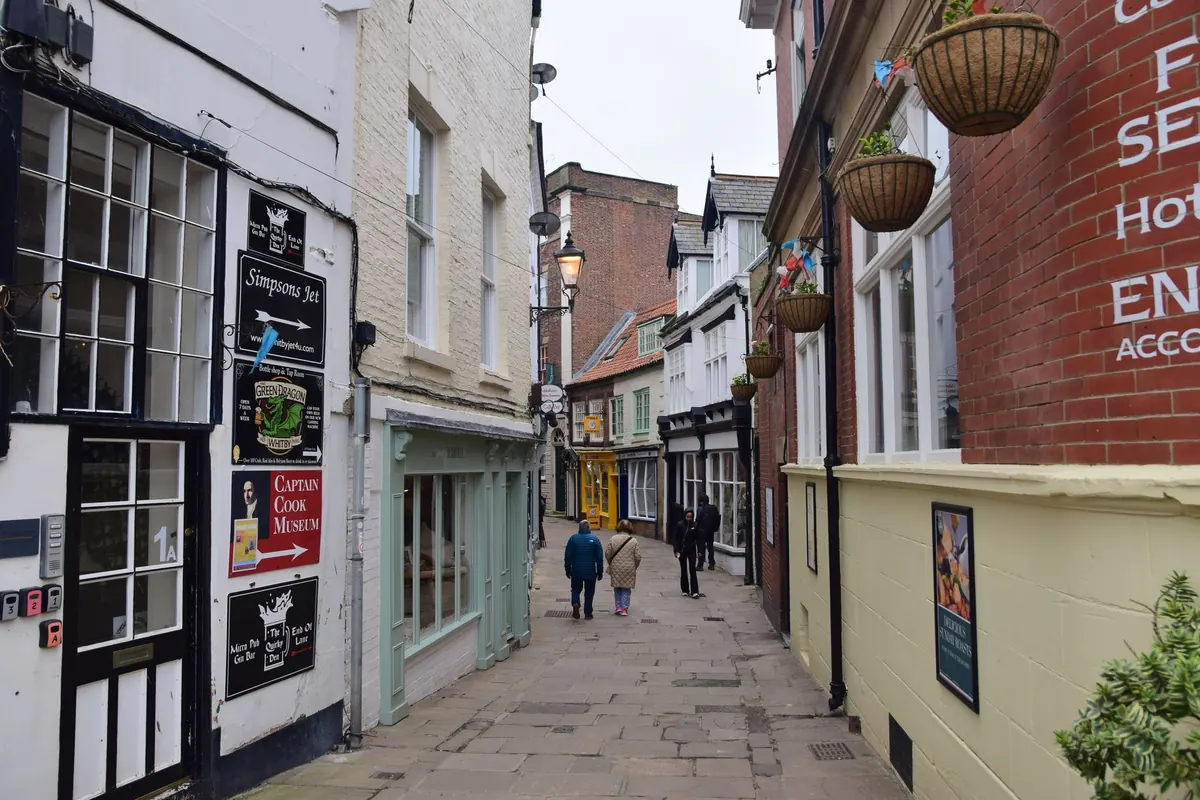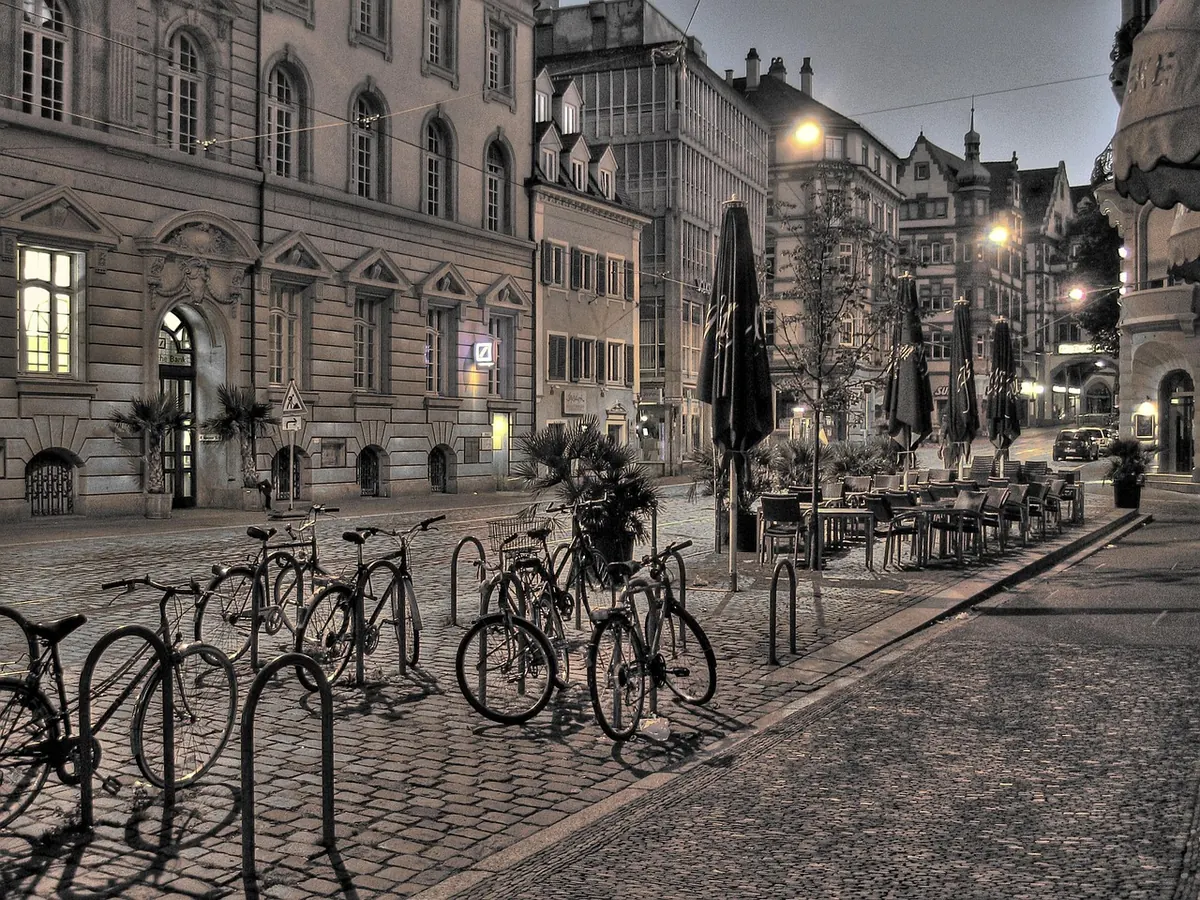
Cobbles look wonderful in photographs. Under a wheelchair castor, or the small front wheels of a pushchair, they can feel like a rumble strip. The good news is that the two things people actually value about a cobbled street — the stone itself and the way it is laid — are rarely the things that cause the trouble. Most discomfort comes from joints, camber and kerbs, and all three can be adjusted without burying a conservation area under tarmac.
What follows is a practical middle ground: how to make a historic surface genuinely usable for wheels, feet and walking aids, while keeping the look that made the street worth keeping in the first place.
The problem is usually the joints, not the stone
Watch someone push a buggy along a granite sett street and you will see the pattern. The wheels do not fail on the flat faces of the stone; they drop into the gaps between them. A joint of 15–20mm, which is common on older surfaces, is a small trench to a 60mm castor. Every joint sends a jolt up through the frame, the handles and the wrists.
Three other factors do the rest of the damage. Crossfall, or camber, forces a constant sideways correction that tires one arm more than the other. Individual setts that sit proud or sunken create a washboard rhythm. And where jointing has failed, the stones start to rock, which is both uncomfortable and the first stage of a pothole.
Wet, polished stone adds a slip risk for anyone with a cane or limited balance, and moss in wide joints makes it worse. None of this is inevitable. It is the result of how the surface was built and how it has been maintained.
What actually defines a street's historic character
Ask a conservation officer what matters and you will usually hear the same short list: the material, its colour and size, the laying pattern, and the relationship between carriageway, kerb and footway. Fan patterns, coursed rows, radial setts around a junction — these are the things that give a place its identity.
Joint width, joint profile, surface evenness and a degree or two of camber are technical rather than architectural. They are rarely what anyone means by "character", and they are exactly where the accessibility gains are to be found. Changing them usually still needs consent, though.
If the street is in a conservation area, or the surface is attached to a listed building, or an Article 4 direction removes permitted development rights, you will need to talk to the local planning authority before lifting a single sett. Highway works on an adopted road bring their own approvals. Get advice from a conservation-accredited professional and from the highway authority early, rather than presenting them with a finished scheme.
Cobbles and setts are not the same thing
The distinction matters when you come to specify work. Cobbles are rounded, water-worn stones, historically gathered from riverbeds and beaches; they are naturally irregular and very hard to lay flat. Setts are squared, quarried stones, roughly rectangular and laid in courses. Most of the "cobbled" streets people admire in British towns are actually setted.
The difference shapes your options. Squared setts can be lifted, cleaned, re-bedded and re-laid to much tighter tolerances, and they will look the same afterwards. True rounded cobbles may need to stay where they are on the most sensitive stretches, with the running surface improved elsewhere.
A toolkit for smoother historic streets
Most successful schemes combine several of these measures rather than relying on one. They are listed roughly in order of how little they disturb the historic fabric.
- Re-point with tighter joints. Lifting and re-laying setts with joints of around 3–5mm, filled with a suitably matched lime mortar or fine aggregate, removes most of the jolt without changing the appearance from more than a metre away.
- Reset proud and sunken stones. Simply re-levelling the worst offenders on a route can transform it, and is far cheaper than full reconstruction.
- Ease the camber. Reducing crossfall to a gentler fall, while keeping enough for drainage, lowers the effort needed to hold a straight line. Drainage must be checked before you do it.
- Fix the kerbs. Flush or gently ramped kerbs at crossing points and dropped kerbs with proper tactile paving are often the single biggest improvement for wheelchair and pushchair users.
- Choose grippier finishes. A subtly textured, non-polished surface is safer in the wet than a mirror-smooth one, and can be achieved by specifying the right stone rather than coating it.
- Consider a smoothed running strip. Where gradients or stone type make a surface genuinely unusable, a discreet strip of closely jointed setts or a bound aggregate can run along the desire line. It is visible, it is a compromise, and on some streets it is the honest answer.
- Keep the texture where it is enjoyed. If a stretch is purely ornamental, leaving it rough and routing people around it is sometimes better than flattening everything.
Character lives in the material, the pattern and the proportions. It rarely lives in a 15mm gap between two stones.
Sequencing a scheme, from survey to trial patch
Accessibility improvements fail more often through poor sequencing than poor design. A workable order looks like this:
- Walk and wheel the route. Go along it with a wheelchair user, a parent with a pushchair and someone using a cane. Their notes will be more useful than any desk study.
- Survey and record. Note joint widths, trip points, crossfall, kerb heights and the condition of the jointing. Photographs with a scale are worth more than descriptions.
- Talk to the conservation officer and highway authority before designing. Ask what they consider fixable and what is non-negotiable.
- Specify, then trial a patch. Re-lay three or four square metres to the proposed standard and test it with the people who will use it. Adjust before committing to the whole street.
- Appoint a contractor who has worked with historic setts. Ask for references and for a method statement covering lifting, storing and re-laying the existing stone.
- Revisit after a winter. Settlement and frost damage show up in the first cold season, and warranty conversations are easier in the first year.
Maintenance: where accessibility quietly disappears
A smooth street that is not maintained becomes a rough one within a few years. Jointing is the first thing to go, and once it fails the stones start to move. Reactive patching with tarmac or cold-lay material in a setted surface is a common culprit: it is quick, it is level for a season, and it looks wrong and wears badly.
Budget for a rolling programme of re-pointing and stone resetting rather than one-off reconstruction. Be careful with de-icing: repeated salt exposure is hard on lime mortar and on some sandstones. Keep an eye on moss and weeds, which widen joints and hold water. A short annual inspection, logged and acted on, keeps a route usable far more cheaply than a rebuild every twenty years.
Start with a route, not a street
The most effective move is to stop thinking street by street and start thinking journey by journey. Identify the routes people actually use — to the shops, the surgery, the school gate, the bus stop, the station — and improve those end to end, even if it means leaving some beautiful but low-traffic lanes untouched for now.
Then do the small things well. Re-pointing a hundred metres of failing joints, re-levelling a handful of proud setts and fitting two properly detailed dropped kerbs will change more lives than a grand repaving scheme. Keep the stone, keep the pattern, and be willing to change the tolerances. That is where heritage and access stop arguing and start working together. For anything involving listed consent, highway powers or liability, take professional planning and legal advice before you commit.
Photo: edmondlafoto / Pixabay