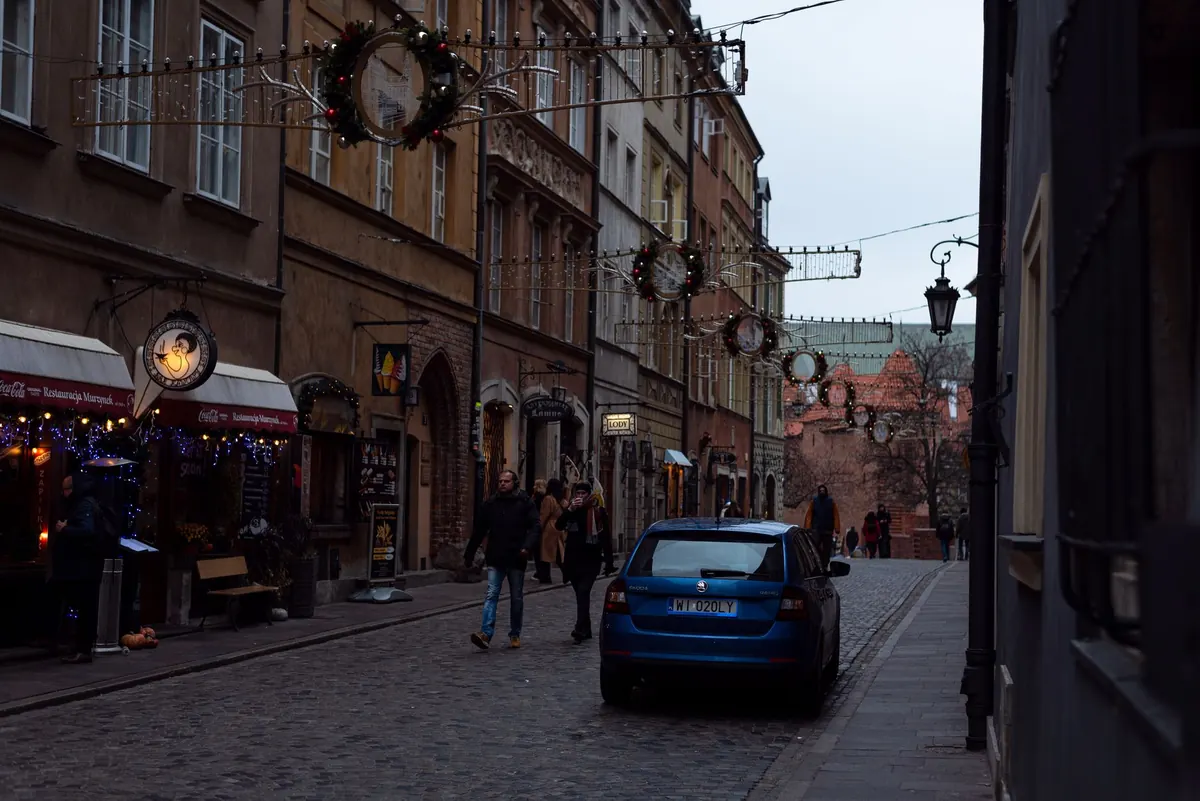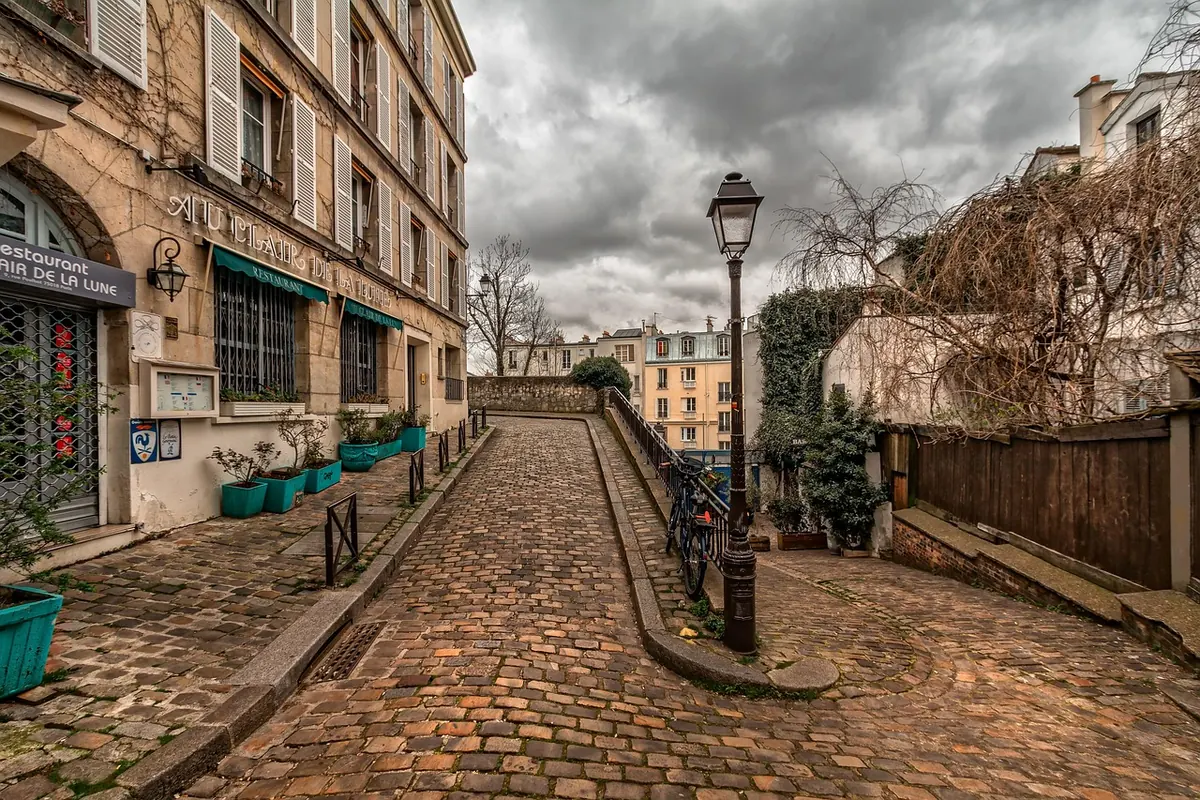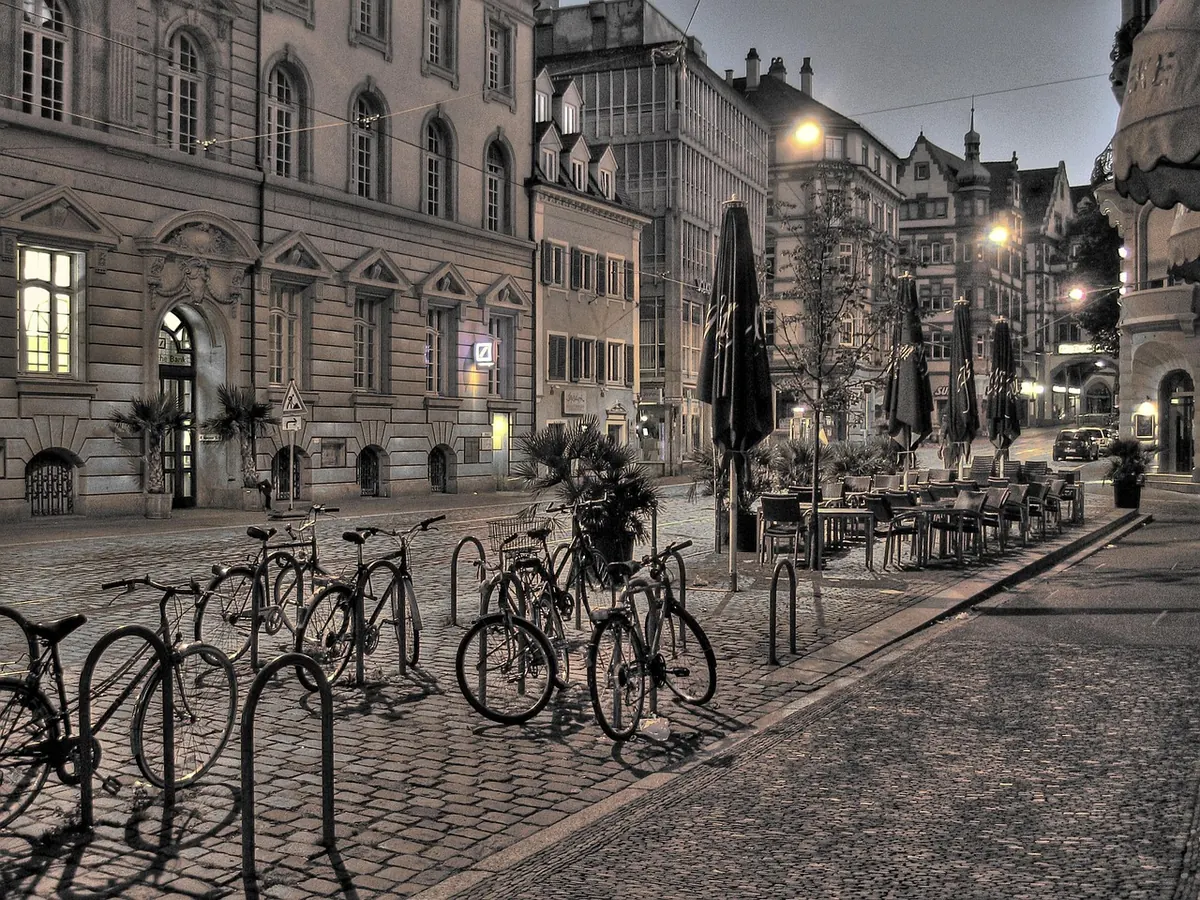
Ask anyone to picture a British town and they will usually describe the same scene: a narrow street of uneven stone, buildings leaning in towards each other, and footsteps echoing off the walls. Plenty of places still have streets like that, and the best of them are worth a journey in their own right. Here are twelve towns where the stone underfoot is the main event — and where there is a good day out wrapped around it.
What counts as a cobbled street
Strictly speaking, cobbles are rounded stones lifted from riverbeds, while setts are squarer blocks cut from quarries and laid in rows. Most of the streets people call cobbled are setts. It sounds like a pedantic distinction, but it matters when you are walking: setts tend to be flatter and easier on the ankles, whereas true cobbles are lumpier and much more slippery in the wet.
Assume any of the streets below will be uneven, will hold water after rain, and will punish thin soles and wheeled suitcases. That is part of the charm, but it is worth planning around.
Twelve towns worth the journey
1. York, North Yorkshire
The Shambles gets the crowds, though it is largely paved these days. For proper stone, wander to College Street, Goodramgate and the lanes around the Minster. Arrive before nine in the morning and you will have the place almost to yourself.
2. Shaftesbury, Dorset
Gold Hill is the steep, curving cobbled climb made famous by a certain bread advert. It is short — barely a couple of minutes end to end — so pair it with a walk around the town and the abbey ruins.
3. Wells, Somerset
Vicars' Close is a cobbled cul-de-sac of fourteenth-century houses built for the cathedral's choristers, and it is often described as one of the oldest complete medieval streets in Europe. People still live there, so keep to the centre of the lane and keep the noise down.
4. Rye, East Sussex
Mermaid Street is steep, cobbled and almost impossibly pretty, with timbered houses and the fifteenth-century Mermaid Inn halfway up. Wear shoes with grip — the stones are polished smooth by centuries of feet and turn greasy after rain.
5. Lincoln, Lincolnshire
Steep Hill links the city centre to the cathedral quarter, and it is a proper climb. The reward is independent shops, medieval houses and the Bailgate at the top, where the cobbles continue past the castle walls.
6. Edinburgh
Victoria Street curves down to the Grassmarket in a sweep of colourful shopfronts over nineteenth-century setts. From there, explore the closes off the Royal Mile — narrow, stone-flagged alleyways that repay a slow wander.
7. Norwich, Norfolk
Elm Hill is a cobbled pocket of Tudor timber buildings that was rescued from decline in the early twentieth century. It is quiet on weekday mornings and only a few minutes from the cathedral.
8. Whitby, North Yorkshire
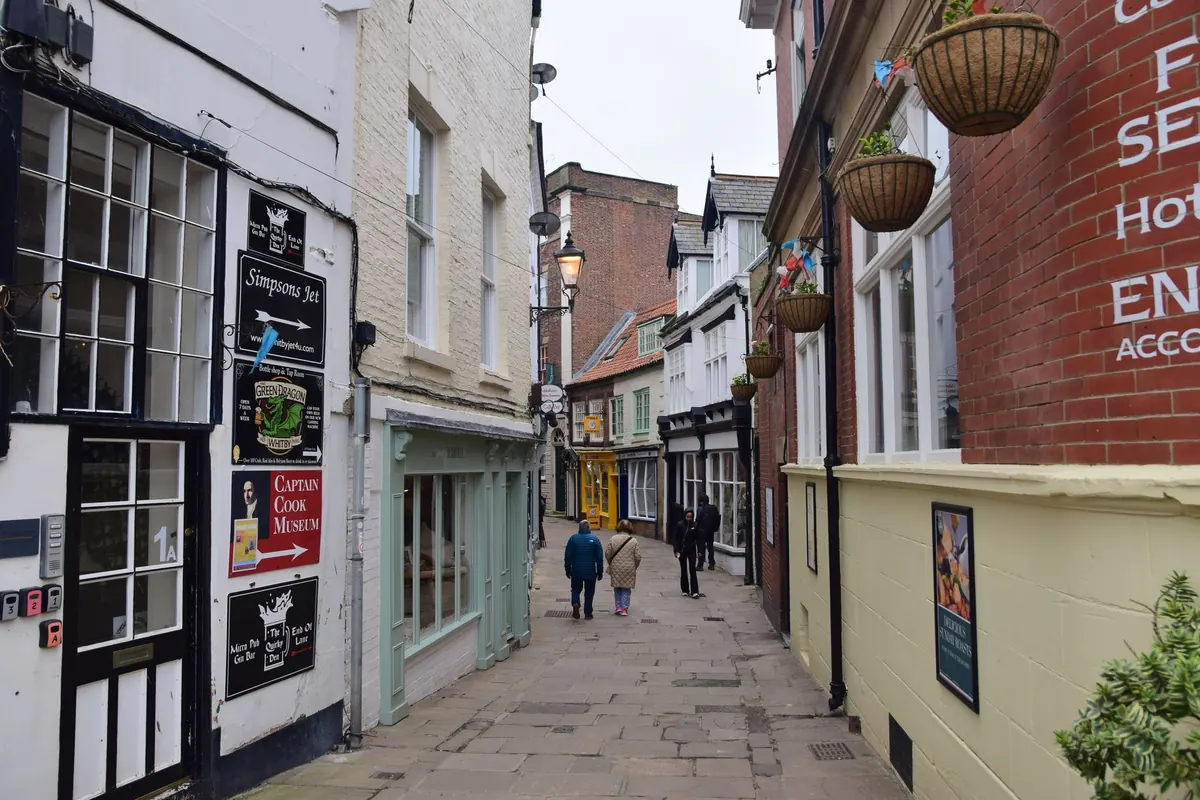
Church Street runs along the foot of the town towards the 199 steps up to the abbey. The cobbles here are rough and worn, and the street is at its best out of season when the crowds thin.
9. Haworth, West Yorkshire
The main street climbs steeply between stone cottages and independent shops to the Brontë parsonage at the top. It is a genuine slog uphill, so leave the pushchair in the car if you can.
10. Ludlow, Shropshire
Broad Street and Castle Street are lined with Georgian and medieval frontages and hundreds of listed buildings. Ludlow is small enough to cover on foot in an afternoon, with the castle and market square as useful anchors.
11. Clovelly, Devon
A single cobbled lane tumbles down the cliff to the harbour, with no cars and no traffic noise. It is a privately owned village with an admission charge, and the climb back up is serious — allow more time than you think.
12. Stamford, Lincolnshire
Barn Hill and St Mary's Hill run down towards the river through limestone buildings that have doubled for period settings on screen. The stone here is paler and smoother than in the west, and it looks superb in low winter light.
Planning a cobbled-street day out
- Go early or go late. Most of these streets are narrow and photograph badly when full. Before 9am or after 5pm is usually much better.
- Choose midweek and shoulder season. Late spring and early autumn give you decent light without the summer crush.
- Check the gradient on a map first. Steep Hill, Gold Hill and Clovelly are genuinely hard work for anyone with mobility issues.
- Sort out parking before you arrive. Historic centres rarely have much of it. York and Lincoln both have park-and-ride services; elsewhere, use a long-stay car park on the edge and walk in.
- Book somewhere indoors as a backup. A museum, a church or a café gives you somewhere to shelter when the weather turns, which it will.
Access, footwear and good manners
These streets are not accessible in the way modern pavements are. Wheelchair users, people with buggies and anyone unsteady on their feet should check routes in advance and consider viewing from the flatter end of a street. Smooth-soled trainers, heels and sandals are all poor choices on wet stone; a pair of shoes with a decent tread is the single most useful thing you can pack.
Remember that most of these places are residential. Do not block doorways for photographs, do not lean on garden walls, and ask before photographing people. In the busiest spots, stepping aside to let others pass is normal courtesy and keeps things moving.
Making a day of it
Pick two towns rather than three, and give each one a proper couple of hours. A good pattern is to walk the cobbles early, stop for lunch somewhere independent, then spend the afternoon in a museum or a church — by which point your legs will thank you. Take a waterproof, wear shoes you trust, and carry cash for the small cafés and car parks that still prefer it.
Photo: geralt / Pixabay